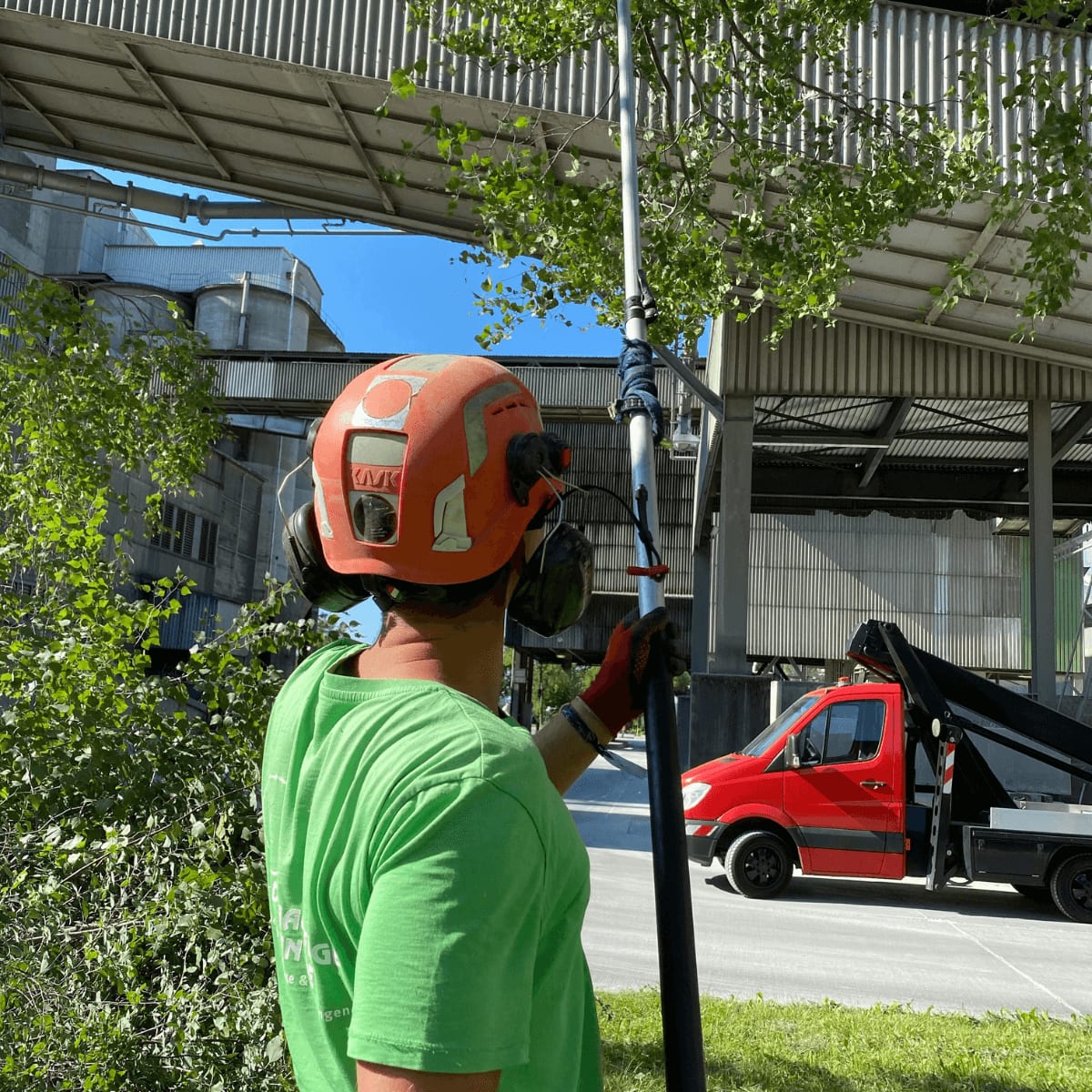
Key Takeaways Structural pruning done while a tree is young prevents the weak growth patterns that cause failures decades later. Establishing a single dominant leader early avoids the co-dominant stems that are prone to splitting. Correcting crossing, rubbing, or competing branches early reduces the need for major corrective pruning later. Young tree pruning uses light, […]
Read More
Key Takeaways A tree doesn’t need to look sick to pose a structural risk to your home. Leaning, cracking, and root disturbance are among the most reliable indicators of instability. Fungal growth on a trunk is frequently a visible sign of decay that’s already well established internally. Trees near a home need a lower threshold […]
Read More
Key Takeaways Dead trees become increasingly unpredictable as decay weakens branches, trunks, and root systems. A dead tree near a home, driveway, walkway, vehicle, or utility line deserves prompt professional assessment. Not every dead branch requires complete tree removal, but a fully dead or structurally compromised tree may present a significant hazard. Professional removal requires […]
Read More
Key Takeaways Drought can stress trees even in a region that normally receives regular rainfall, particularly during extended dry periods combined with high temperatures. Wilting, leaf scorch, premature leaf drop, sparse foliage, and reduced new growth can indicate that a tree is struggling with insufficient soil moisture. Young and recently planted trees generally need closer […]
Read More
Key Takeaways: Immediate Hazards: Any tree touching a structure or power line constitutes a 24/7 emergency. Cost Variables: Emergency rates are higher than scheduled maintenance due to crew mobilization and risk. Safety First: Never attempt to clear a storm-damaged tree yourself; tension wood can be lethal. Insurance Coordination: Most emergency removals are covered by homeowner’s […]
Read More