May 14, 2026
Key Takeaways:
- Identify Widow-Makers: Dead, dormant wood is brittle and lacks the flexibility to survive high spring winds.
- Timing is Vital: Cleaning up deadwood before the sap begins to flow and leaves emerge makes hazards easier to spot and safer to remove.
- NJ Wind Patterns: Spring in New Jersey brings erratic pressure changes and high-velocity gusts that target weakened tree structures.
- Weight Distribution: Removing dead wood reduces the sail effect, allowing wind to pass through the canopy rather than pushing against it.
- Professional Inspection: Structural cracks or internal rot often hide behind dormant bark, requiring an expert eye to diagnose.
As the New Jersey frost finally begins to retreat, homeowners across the Garden State are turning their attention to their landscapes. While planting flowers and mulching beds are common spring rituals, there is a much more pressing task that often goes overlooked: cleaning up dormant wood. Before the March Winds and April showers arrive with gale-force gusts, your trees need a safety audit.
Dormant wood, those dead, brittle branches that have sat through the weight of winter snow, poses a significant threat to your home, your vehicles, and your family. In New Jersey, where spring storms can be as volatile as winter blizzards, proactive maintenance is the only way to prevent a disaster.
Why Dormant Wood is a Ticking Time Bomb
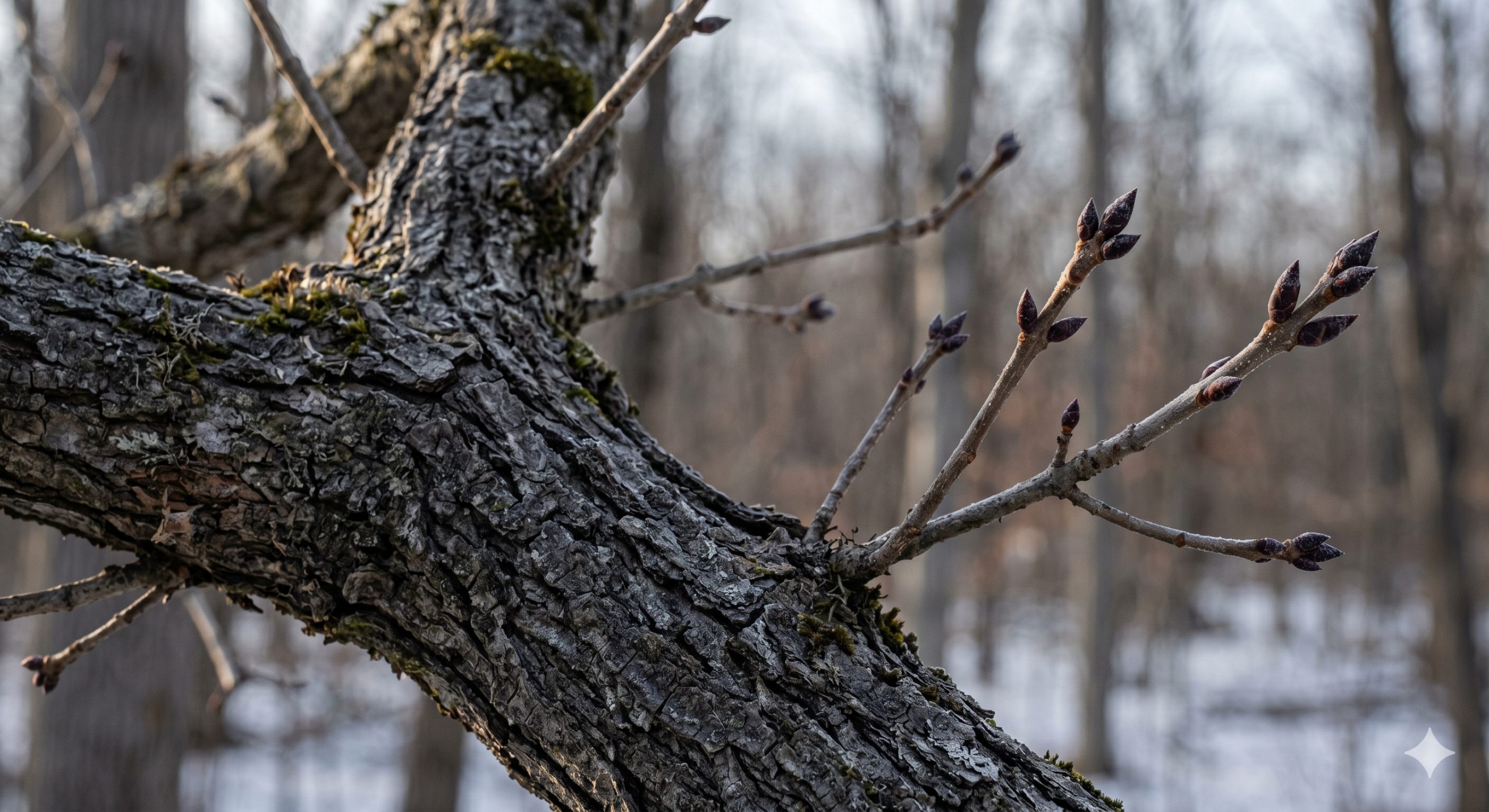
During the winter, trees enter a state of dormancy to conserve energy. While the tree is sleeping, any limbs that died during the previous growing season or were damaged by ice become incredibly brittle. Unlike living wood, which contains moisture and flexible fibers that allow it to bend and sway in the wind, deadwood is rigid.
When the high winds of a New Jersey spring pick up, these dead limbs do not bend; they snap. In the industry, we often call these widow-makers. They can hang precariously in the canopy for weeks, only to be dislodged by a moderate gust, falling with enough force to pierce a roof or crush a parked car.
The Science of the Sail Effect
One of the biggest reasons to clean up your trees before spring fully hits is the sail effect. As leaves begin to bud and emerge, the surface area of your tree’s canopy increases dramatically. A tree with a dense canopy and a lot of dead internal wood acts like a giant sail on a boat. Instead of the wind passing through the branches, it catches the foliage and deadwood, putting immense structural pressure on the trunk and root system.
By removing dormant wood and thinning the canopy before the leaves are at full size, you allow the wind to pass through the tree. This reduces the drag and significantly lowers the risk of the entire tree uprooting or throwing large limbs during a heavy thunderstorm.
Identifying Hazards in Your NJ Landscape
Because the leaves haven’t filled in yet, early spring is the best time to spot structural issues. Look for these four red flags on your property:
- The Scratch Test Failures: If you see a limb that looks gray or lacks buds, scratch a tiny bit of the bark away. If it’s brown and dry underneath instead of green and moist, that wood is dead and needs to go.
- Cankers and Deep Cracks: Look for areas where the bark is peeling away or where there are deep vertical cracks in the trunk. These are weak points that the wind will exploit.
- V-Shaped Crothers: Trees with two main trunks growing in a tight V shape are prone to splitting down the middle during high winds. These often require cabling or strategic weight reduction.
- Fungal Growth: Mushrooms or conks growing at the base of the tree or on major limbs are a sign of internal rot. This means the wood is structurally compromised, even if the leaves look green.
The New Jersey Spring Climate Challenge
New Jersey occupies a unique meteorological space. We get the Nor’easters coming off the Atlantic and the cold fronts moving in from the west. This creates high-pressure gradients that result in sustained winds of 40-50 mph during the spring months.
In areas with mature silver maples, oaks, and pines common across NJ suburbs, the risk is elevated. Silver maples, in particular, are known for having soft wood that is prone to snapping, while white pines can lose massive leader branches that can easily flatten a fence or a shed.
The Benefits of Pre-Storm Pruning
Pruning while the tree is still dormant isn’t just about safety; it’s also better for the tree’s health.
- Faster Healing: When you prune just before the spring growth spurt, the tree can immediately begin to seal the wound with new tissue as soon as the sap starts flowing.
- Disease Prevention: Many pests and fungal spores are still inactive in the early spring. Removing deadwood now reduces the chances of an infestation taking hold in a fresh cut.
- Visibility: Without leaves in the way, an arborist can see the skeleton of the tree and make more precise, structural cuts that improve the tree’s long-term shape.
Securing your property against the unpredictable New Jersey spring requires a team that knows local species and weather patterns. New Jersey Tree Professional is led by certified arborists with over 40 years of combined experience. We pride ourselves on building trust through transparent pricing, safety-first workmanship, and 24/7 emergency response. Whether you are in Union, Elizabeth, Newark, or Hackensack. New Jersey Tree professional provides high-quality tree removal, tree trimming & pruning, stump grinding & removal, and emergency tree service, tailored to your property’s needs. We offer a no-surprise guarantee that the price we quote is the price you pay, along with discounts for seniors, military, first responders, and teachers. Let us help you protect your home before the winds pick up.
Frequently Asked Questions
1. Is it too late to prune if I see buds on the trees?
Not at all. In fact, pruning just as the buds appear is a great time because the tree is waking up and ready to heal. Just avoid heavy pruning on certain species like Maples or Birches that may bleed sap excessively this time of year.
2. Can I remove deadwood myself?
If the wood is small and reachable from the ground, yes. However, if you need a ladder or a chainsaw to reach it, you should call a professional. Working on a ladder with a saw is one of the most common causes of serious home accidents.
3. What happens if a neighbor’s dead limb falls on my house?
In most cases, if the tree looks healthy, your insurance covers it. However, if the wood was clearly dead and dormant (and you have proof you notified them), the neighbor may be held liable for negligence.
4. How can I tell the difference between a dormant tree and a dead one?
A dormant tree will have small, tight buds along the twigs. A dead tree will have brittle twigs that snap like a pencil and no visible budding.
5. Does wind really sail through a tree?
Yes. A healthy, pruned canopy allows wind to move through the branches. A neglected canopy with lots of deadwood and suckers acts as a solid wall, which is why they are more likely to blow over.
6. Why do pines lose so many branches in the spring?
Pines are evergreen, meaning they hold their needles all year. This gives them a massive surface area for the wind to catch, making them more susceptible to wind throw than deciduous trees that haven’t leafed out yet.
7. Is financing available for large-scale storm prep?
Yes, My Florida Tree Guys offers 0% and low-APR financing to help homeowners manage the costs of extensive safety pruning and hazardous removals.
8. What should I do if a limb is touching a power line?
Do not touch it or attempt to prune it. Contact your local utility company immediately. Only specialized, line-clearance certified crews should work near electrical hazards.
Summary Checklist: Spring Storm Readiness
| Condition | Risk Level | Recommended Action |
| Dead/Brittle Branches | High | Remove immediately to prevent “widow-makers.” |
| Cracks in Major V-Crotches | Critical | Call an arborist for cabling or structural reduction. |
| Hanging “Hangers” | High | These are already detached and will fall in the next gust. |
| Fungus at the Base | Moderate to High | Inspect for root rot; the tree may be unstable. |
| Leaning Toward Structure | Critical | Professional assessment to determine soil stability. |
Final Advice
Preparing your New Jersey property for the spring storm season is a matter of proactive physics. Every piece of dead, dormant wood left in your canopy is a potential projectile that lacks the biological flexibility to withstand high-velocity winds. By identifying and removing these hazards now, while the skeleton of the tree is still visible and before the sail effect of new leaves takes hold, you significantly reduce the risk of catastrophic property damage.
Do not assume that because a tree survived the winter, it is safe for the spring. The transition from freezing temperatures to rapid growth creates internal stresses in the wood that can cause existing cracks to fail. Partnering with a reliable tree service in Union, NJ for a professional safety audit is the most cost-effective insurance policy you can have. If you notice hangers, brittle gray wood, or mushrooms near the root flare, take action before the NJ winds decide for you.
Reviewed by a Certified Arborist
This horticultural analysis has been reviewed to ensure all information regarding tree biology and storm safety meets industry standards.