March 27, 2026
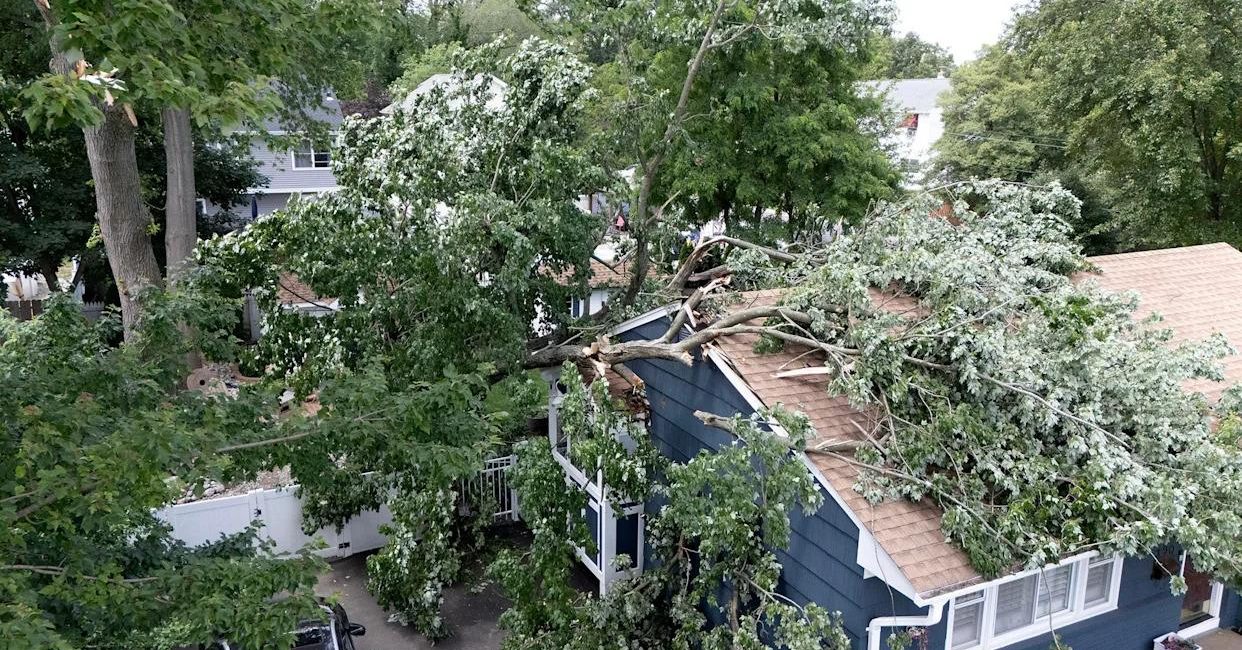
If a tree falls on your home in Union County, NJ, homeowners’ insurance usually covers structural damage if the tree fell due to storms, wind, lightning, or other covered events. Coverage may not apply if the tree was dead, rotting, or poorly maintained.
After storm tree damage, homeowners must deal with insurance claims, safety risks, and local tree removal permit rules. This guide explains exactly how tree damage claims work in Union County and how to document damage correctly.
Key Takeaways
- Understand your homeowner’s policy: Know what perils are covered and your deductible.
- Document everything: Take extensive photos and videos of the damage before cleanup.
- Contact a Licensed Tree Expert (LTE): Their assessment is critical for claim validity and proper removal.
- Check local Union County ordinances: Specific towns may require permits for tree removal, even after storm damage.
- Report claims promptly: Notify your insurer as soon as it is safe to do so.
- Differentiate between ‘Act of God’ and ‘Negligence’ for liability, especially with a neighbor’s trees.
What is a Tree Damage Insurance Claim?
A tree damage insurance claim is a formal request made to your homeowner’s insurance provider to cover costs associated with damage caused by a tree. This typically includes the removal of the tree, repair to damaged structures, and sometimes debris cleanup. The validity and coverage depend heavily on the cause of the tree fall and the specifics of your policy.
Understanding Your Homeowner’s Policy for Tree Damage
Your homeowner’s insurance policy is the primary document dictating what is covered when a tree falls. Most standard policies provide coverage for tree damage caused by ‘named perils,’ which are specific events listed in your policy. According to the New Jersey Department of Banking and Insurance (NJ DOBI), policies typically cap tree removal at $500 to $1,000 per event when no structure is hit.
| Scenario | Typical Coverage | Key Considerations |
|---|---|---|
| Tree falls on insured dwelling (house or garage) | Covered. Includes repairs and tree removal | Deductible applies. Subject to dwelling coverage limits |
| Tree falls on detached structure (shed or fence) | Covered. Includes structure repair and removal | Usually capped at about 10% of dwelling coverage. Deductible applies |
| Tree blocks the driveway or accessibility ramp | Covered for removal only | Limited payout. Often $500 to $1,000 per tree, with a total cap |
| A tree falls on the lawn without damage | Not covered in most cases | Coverage applies only if a structure is damaged or access is blocked |
| Tree falls due to neglect (rot or disease) | Not covered | Insurers require a sudden event. Maintenance issues are excluded |
| Neighbor’s tree falls during a storm | Your policy covers your damage | Deductible applies. No liability unless negligence is proven |
Covered Perils vs. Exclusions
Most policies cover damage from events like windstorms, lightning, hail, the weight of ice or snow, and vandalism. These are considered ‘Acts of God.’ However, damage caused by a diseased, rotting, or poorly maintained tree (negligence) is often excluded. Your insurer will send an adjuster to determine the cause of the fall.
Policy Limits and Deductibles
Every policy has limits on how much it will pay for tree removal and property repair. You will also have a deductible, which is the amount you pay out-of-pocket before your insurance coverage begins. It is important to know these figures to anticipate your financial responsibility.
Immediate Steps After Tree Damage in Union County
Immediate action after tree damage is critical for both safety and a successful insurance claim. Your priority should always be the safety of yourself and your family, followed by securing the property and documenting the damage.
Safety First
Ensure everyone is safe. If there are downed power lines, stay away and contact your utility company (PSEG, JCP&L). Do not attempt to remove large branches or trees yourself, especially if they are entangled with power lines or are under tension.
Document Everything Thoroughly
Before any cleanup begins, take clear, comprehensive photos and videos of the damage from multiple angles. Document the fallen tree, the damage to your home or property, and the surrounding area. This visual evidence is crucial for your insurance claim.
Engage New Jersey Tree Professional for Emergency Service and Assessment
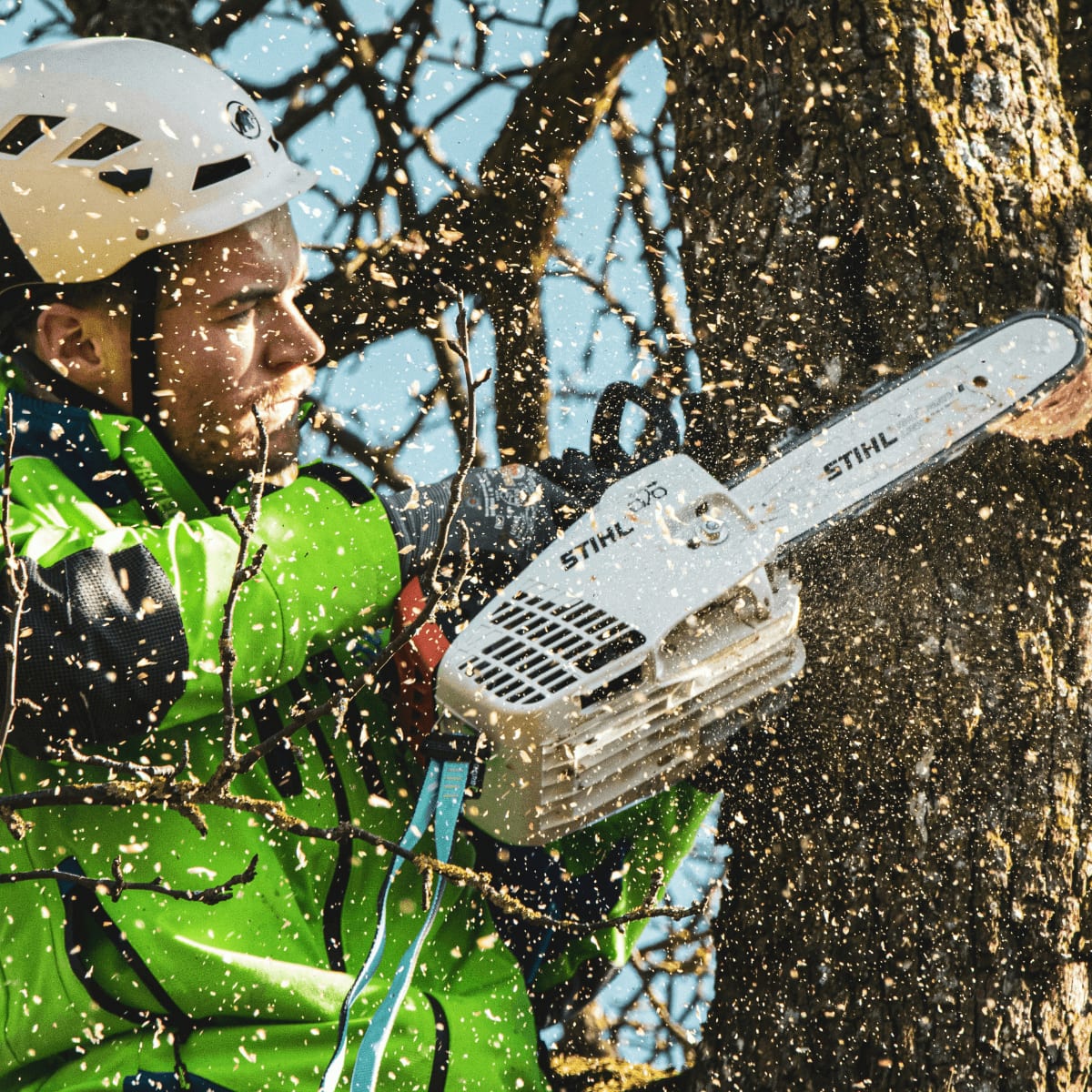
Contacting a reputable tree service like New Jersey Tree Professional is essential. We provide emergency tree removal services to safely clear hazards and prevent further damage. Our team can also assess the situation and provide the expert documentation needed for your claim.
Notify Your Insurer Promptly
Once the immediate danger is addressed and documentation is complete, contact your insurance provider. Provide them with the details of the incident and your initial documentation. They will guide you on the next steps, including sending an adjuster.
The Role of a Licensed Tree Expert (LTE) in Your Claim
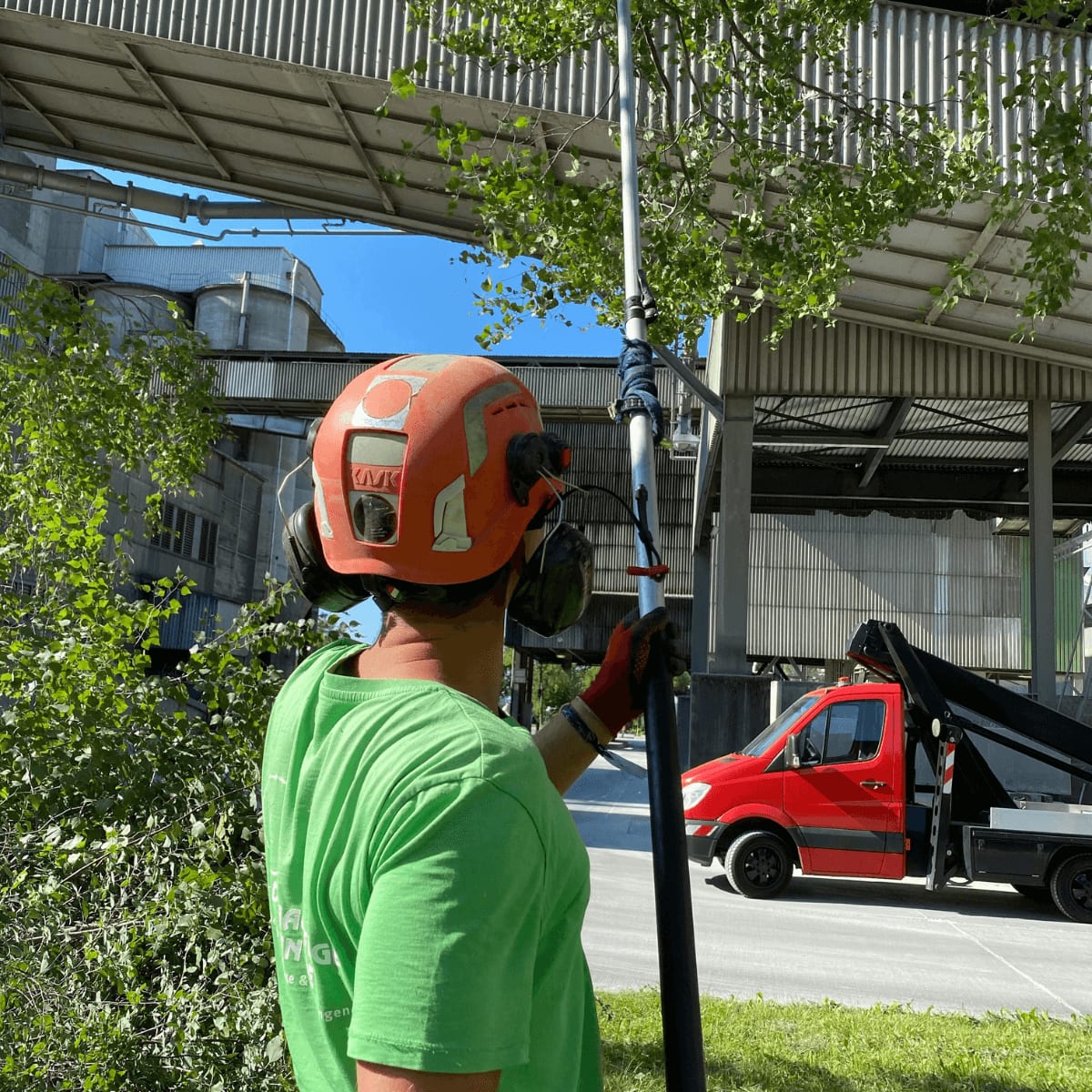
In New Jersey, the expertise of a Licensed Tree Expert (LTE) or a Licensed Tree Care Operator (LTCO) is invaluable for tree damage claims. These professionals are certified by the NJ Board of Tree Experts and possess the knowledge required to assess tree health and determine the cause of failure. You can verify a contractor’s status via the official Licensed Tree Expert Directory.
Why an LTE is Critical for Your Claim
An LTE can provide an official report on the tree’s condition before it fell, helping to establish whether the fall was due to an ‘Act of God’ or neglect. This documentation is often critical in preventing claim denials. They ensure proper removal techniques are used, avoiding further property damage or injury.
Union County Specifics: Permits and Ordinances
Union County municipalities have specific regulations. For example, towns like Westfield and Summit have ordinances concerning ‘Heritage Trees’ or require permits for tree removal, even after storm damage. A New Jersey Tree Professional understands these local nuances and can help secure necessary permits, ensuring compliance and preventing fines.
Navigating the Insurance Claims Process in New Jersey
Navigating the insurance claims process can be complex. Understanding the steps and your rights as a policyholder in New Jersey is key to a successful outcome. The New Jersey Division of Banking and Insurance (DOBI) oversees insurance practices in the state.
Initial Claim Filing and Documentation
After notifying your insurer, you’ll typically file a formal claim. This involves providing all documentation, including photos, videos, and any reports from New Jersey Tree Professional. Be thorough and provide as much detail as possible.
The Adjuster Inspection
Your insurer will send a claims adjuster to your property to assess the damage. They will verify the cause of loss, measure damage, and estimate repair costs. Be present during the inspection, provide your documentation, and answer their questions clearly.
Understanding Claim Denials and Appeals
Claims can be denied for various reasons, most commonly if the damage is attributed to neglect rather than a covered peril. If your claim is denied, request a written explanation. You have the right to appeal the decision, often with additional evidence from a Licensed Tree Expert.
New Jersey Consumer Rights and Timelines
Under N.J. Admin Code 11:2-17.7, insurance companies must acknowledge claims within 10 business days and complete investigations within 30 calendar days. Knowing these rights helps you ensure your claim progresses fairly.
Neighbor’s Tree, Your Property: Who Pays?
A common scenario involves a neighbor’s tree falling onto your property. The question of who is responsible for the damage and cleanup often arises. New Jersey law provides clarity on this, primarily distinguishing between ‘Acts of God’ and negligence.
Act of God vs. Negligence Under NJ Law
If a healthy tree from your neighbor’s property falls onto yours due to a natural event like a storm (an ‘Act of God’), your homeowner’s insurance policy typically covers the damage to your property and the cost of removal. Your insurer will not seek reimbursement from your neighbor in this scenario, as no one was at fault.
Conversely, if the tree was clearly diseased or unstable, and you had previously notified your neighbor in writing about the hazard, their negligence might make them liable. NJ Rev Stat § 40:64-9 discusses municipal authority over dangerous trees, which can sometimes extend to private property if it poses a public hazard.
Filing a Claim Against a Neighbor
If you believe your neighbor was negligent, you would file a claim against their homeowner’s insurance. This process can be more contentious and may require legal counsel. Always consult with your insurer and potentially a legal professional if you suspect negligence.
Costs and Financial Impacts of Tree Damage
While insurance helps mitigate the financial burden of tree damage, there are still costs and impacts to consider.
Deductibles and Out-of-Pocket Expenses
Your deductible is the first out-of-pocket expense. Additionally, if the damage exceeds your policy limits, you will be responsible for the difference. Some immediate costs, like temporary repairs or emergency tree services from New Jersey Tree Professional, might need to be paid upfront and then reimbursed by your insurer.
Impact on Future Premiums
Filing a claim, especially a large one, can sometimes lead to an increase in your insurance premiums at renewal. It is important to weigh the cost of repairs against your deductible and potential premium increases, particularly for smaller claims.
Frequently Asked Questions
Does my homeowners’ insurance cover tree damage?
Most policies cover damage from ‘named perils’ like wind or hail. Coverage usually includes tree removal if it damages a structure or blocks a driveway. It does not cover damage from pre-existing rot or neglect.
Do I need a permit for storm-damaged tree removal in Union County?
Yes, towns like Westfield and Summit often require permits even after storms. Always verify local municipal codes before starting major removals to avoid fines.
Whose insurance pays if my neighbor’s tree falls on my house?
In an ‘Act of God’ scenario (storm), your insurance pays. If the neighbor was negligent (the tree was dead and they were warned), their insurance might be held liable.
Why is a Licensed Tree Expert important for an insurance claim?
An LTE provides the expert assessment that adjusters use to differentiate between sudden storm damage and pre-existing decay. Their report is often the difference between an approved claim and a denial.
Smooth Recovery for Union County Homeowners
Dealing with tree damage after a storm is stressful, but understanding the insurance claim process makes recovery easier. New Jersey Tree Professional provides emergency tree removal, detailed claim documentation, and local permit guidance to help Union County homeowners move through the insurance process with confidence.
If your property has storm damage, getting expert help early protects your home, your safety, and your insurance claim outcome. For reliable tree service in Union, NJ, their team is ready to handle the situation quickly and professionally.