November 26, 2025
Trees add beauty, shade, and value to any property. They clean the air, provide habitat for wildlife, and create peaceful outdoor spaces we all enjoy. But when a tree becomes structurally unsound or diseased, it transforms from an asset into a genuine hazard that could damage property or harm people.
Knowing how to spot the warning signs of a dangerous tree can help you take action before disaster strikes. This guide walks you through the key indicators that your tree needs professional attention and what you should do about it.
What Makes a Tree Hazardous? Understanding the Real Threats
A hazardous tree doesn’t necessarily mean you need to remove it immediately. Many tree problems can be managed through proper pruning, cabling, or other interventions. However, ignoring warning signs puts your family, neighbors, and property at serious risk.
Trees fail for many reasons: disease, storm damage, poor structure, root problems, or simply old age. The key is catching problems early when you still have options.
Major Warning Signs Your Tree May Be Dangerous
1. Dead or Dying Branches
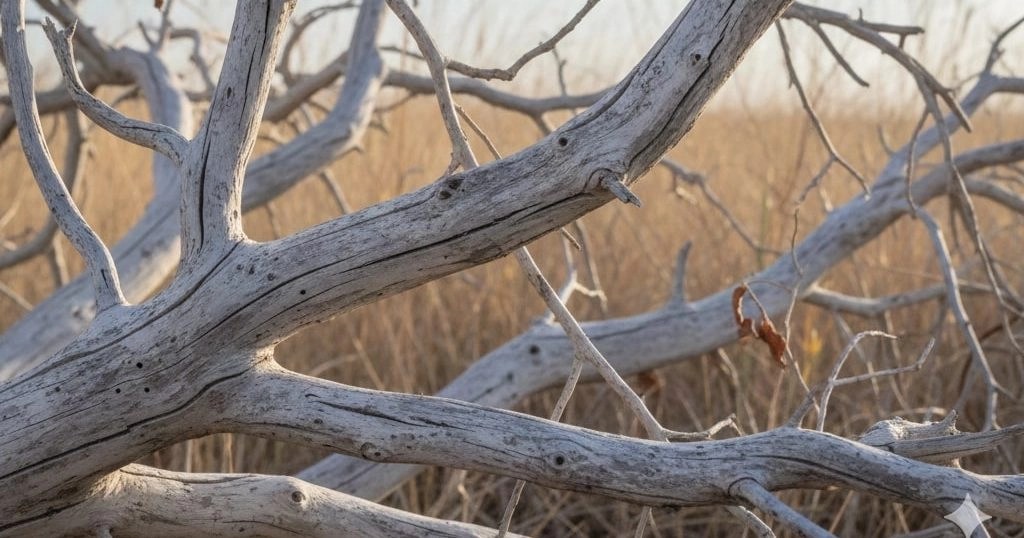
Dead branches are one of the most obvious signs of trouble. These branches, often called “widow makers” by arborists, can fall without warning.
Look for:
- Branches with no leaves during the growing season
- Brittle, dry wood that snaps easily
- Peeling or missing bark
- Hanging or broken limbs caught in the canopy
Dead branches larger than 2 inches in diameter pose significant risks, especially if they hang over structures, walkways, or areas where people gather.
2. Cracks and Splits in the Trunk
Deep cracks or splits in the main trunk signal serious structural problems. These openings allow decay to enter while weakening the tree’s ability to support its own weight.
Pay attention to:
- Vertical cracks running up and down the trunk
- Horizontal splits that extend deep into the wood
- Separation between trunk sections
- Multiple cracks form patterns
A crack that penetrates more than one-third of the trunk’s diameter creates a high-risk situation that needs immediate evaluation.
3. Trunk Decay and Cavities
Hollow trunks sound romantic, but they spell trouble. While some trees can survive with internal decay, extensive rot compromises structural integrity.
Warning indicators include:
- Soft or crumbling wood when you press on the trunk
- Fungi, mushrooms, or conks growing on the bark
- Sawdust or wood shavings around the base
- Large cavities or holes are visible in the trunk
- Dark staining or discoloration on the bark
The rule of thumb: if more than one-third of the trunk’s interior has decayed, the tree may not be able to support itself safely.
4. Root Problems
Strong roots anchor trees and provide stability. Root damage creates unstable trees prone to toppling, especially during storms.
Signs of root trouble:
- Exposed or lifted roots on one side of the tree
- Mushrooms or fungi growing near the base
- Soil mounding or cracking around the trunk
- Recent construction or excavation near the tree
- Leaning tree with soil lifting on one side
Root decay often goes unnoticed until it’s too late. Fungi near the base typically indicate advanced rot in the root system.
5. Significant Lean
Not all leaning trees are dangerous. Some species naturally grow at angles. But a sudden lean or increasing tilt signals foundation failure.
Concerning lean patterns:
- Recent change in the angle of the trunk
- Exposed or raised roots on the opposite side
- Soil cracking or mounding at the base
- Lean toward a building, power line, or high-traffic area
- Lean exceeding 15 degrees from vertical
Trees that have always leaned gradually adapt their structure. Sudden leaning indicates active failure.
6. Canopy Dieback
When a tree’s crown starts dying back from the tips, it’s struggling. Progressive dieback often indicates root problems, disease, or environmental stress.
Watch for:
- Dead twigs and branches starting at the crown
- Thinning foliage compared to previous years
- Leaves that are smaller or discolored
- Early leaf drop in fall
- Bare patches in the canopy
If more than 50% of the canopy has died back, the tree may be beyond saving.
7. Poor Branch Structure
Trees with structural defects face higher failure rates. Some problems develop naturally, while others result from improper pruning or storm damage.
Structural red flags:
- Multiple trunks joined together in narrow V-shapes
- Heavy branches without adequate attachment points
- All major branches originating from the same height
- Crossing branches rubbing against each other
- Previously topped trees with weak, bushy regrowth
Co-dominant stems (two or more main trunks) with bark growing between them create weak points prone to splitting.
8. Pest Infestation
While many insects coexist peacefully with trees, some pests cause lethal damage. Heavy infestations weaken trees and make them susceptible to other problems.
Evidence of harmful pests:
- Extensive woodpecker damage (they feed on boring insects)
- Exit holes in the bark from beetles or borers
- Sawdust trails on the trunk or ground
- Thinning canopy despite adequate water
- Unusual amounts of sap or resin
Emerald ash borers, pine beetles, and Asian longhorned beetles are particularly destructive invasive species.
9. Storm Damage History
Trees that have survived major storms may carry hidden damage. Previous injury weakens the tree’s structure and increases future failure risk.
Post-storm concerns:
- Partially broken branches are still attached
- Bark stripped from lightning strikes
- Splits that weren’t properly treated
- Learning that developed after high winds
- Exposed roots from soil erosion
Even if a tree looks fine after a storm, internal damage may worsen over time.
10. Proximity to Targets
A tree’s risk level depends partly on what could be damaged if it fails. A dying tree in the middle of a field poses less danger than one hanging over your house.
High-risk locations:
- Within falling distance of buildings
- Over parking areas or driveways
- Near power lines or utility infrastructure
- Above playgrounds, patios, or pools
- Along sidewalks or roads
Consider both the tree’s height and spread when evaluating potential targets.
Assessing Risk: How to Know If a Tree Could Fall
| Risk Level | Characteristics | Action Needed |
| Low | Minor dead branches, healthy overall, away from targets | Routine monitoring and maintenance |
| Moderate | Some structural issues, partial decay, and near occasional-use areas | Professional inspection within 6 months |
| High | Significant defects, major decay, leaning, or over high-traffic areas | Immediate professional evaluation |
| Extreme | Active failure signs, severe lean with cracking soil, over buildings | Emergency service required |
What to Do If You Notice Warning Signs
Step 1: Document the Issues
Take clear photos from multiple angles showing the problem areas. Note when you first observed the issues and whether they’re getting worse.
Step 2: Restrict Access
If the tree poses immediate danger, keep people and vehicles away. Use caution tape or temporary fencing if needed.
Step 3: Get a Professional Inspection
Contact a qualified tree care professional for a thorough assessment. They’ll evaluate the tree’s health, structural integrity, and risk level.
Step 4: Discuss Your Options
Depending on the assessment, your options may include:
- Selective trimming to remove hazardous branches
- Cabling or bracing to support weak structures
- Crown reduction to decrease weight and wind resistance
- Complete tree removal if the risk is too high
- Monitoring and reassessment if issues are minor
Step 5: Maintain Regular Inspections
Even healthy trees benefit from annual checkups. Regular monitoring catches problems early when they’re easier and cheaper to address.
Preventing Tree Hazards Before They Start
The best way to manage tree risks is to prevent problems before they start:
- Water trees during drought conditions
- Mulch properly (not piled against the trunk)
- Avoid soil compaction around roots
- Protect trees during construction projects
- Prune regularly to maintain good structure
- Plant appropriate species for your climate and space
- Address small problems before they become big ones
Frequently Asked Questions About Dangerous Trees
How often should I inspect my trees for safety hazards?
Inspect your trees at least twice per year, ideally in early spring before leaves emerge and in late fall after they drop. This schedule lets you spot structural issues and assess overall health. After severe weather events, do additional checks for new damage.
Can a hollow tree still be safe?
Yes, depending on how much solid wood remains. Trees compartmentalize decay, and many hollow trees live for years. The critical factor is wall thickness. If at least two-thirds of the trunk’s cross-section remains solid, the tree may be structurally sound. Professional assessment determines safety.
Should I remove a tree with mushrooms growing on it?
Not necessarily. Mushrooms indicate fungal activity, which often means decay, but location matters. Fungi on dead branches pose less concern than those on the main trunk or root flare. Some fungi cause aggressive decay, while others progress slowly. Get a professional evaluation to determine the extent of rot.
How much does it cost to have a hazardous tree removed?
Tree removal costs vary widely based on size, location, and complexity. Small trees might cost 300-700 dollars, medium trees 700-1,500 dollars, and large trees can exceed 3,000 dollars. Trees near buildings, power lines, or in difficult-to-access locations cost more. Emergency removals typically carry premium pricing.
Does homeowner’s insurance cover tree removal?
It depends on the circumstances. Insurance typically covers removal if the tree has already fallen and damaged a covered structure. Most policies won’t pay to remove a dead or hazardous tree that hasn’t caused damage yet, viewing this as preventive maintenance. Review your specific policy or call your agent for clarification.
Can I fix a leaning tree by pulling it upright?
No, and attempting this can be dangerous. Once a mature tree develops a significant lean, its root system and internal structure have adapted to that position. Forcing it upright can cause additional damage and create new failure points. If the lean is recent and caused by storm damage, professionals may be able to stabilize it with specialized techniques.
Final Thoughts: Should You Remove That Tree?
Tree safety isn’t something to take lightly. While we love the shade and beauty trees provide, recognizing when they become hazardous protects what matters most: the safety of your family and property.
Stay observant, take warning signs seriously, and don’t hesitate to call in a tree service when you spot concerning changes. Regular maintenance and timely intervention keep your trees healthy and your property safe for years to come.
Remember that tree care is an investment in both safety and property value. The cost of prevention is almost always less than dealing with the aftermath of a fallen tree. Stay proactive, stay safe, and enjoy your trees with confidence.