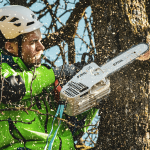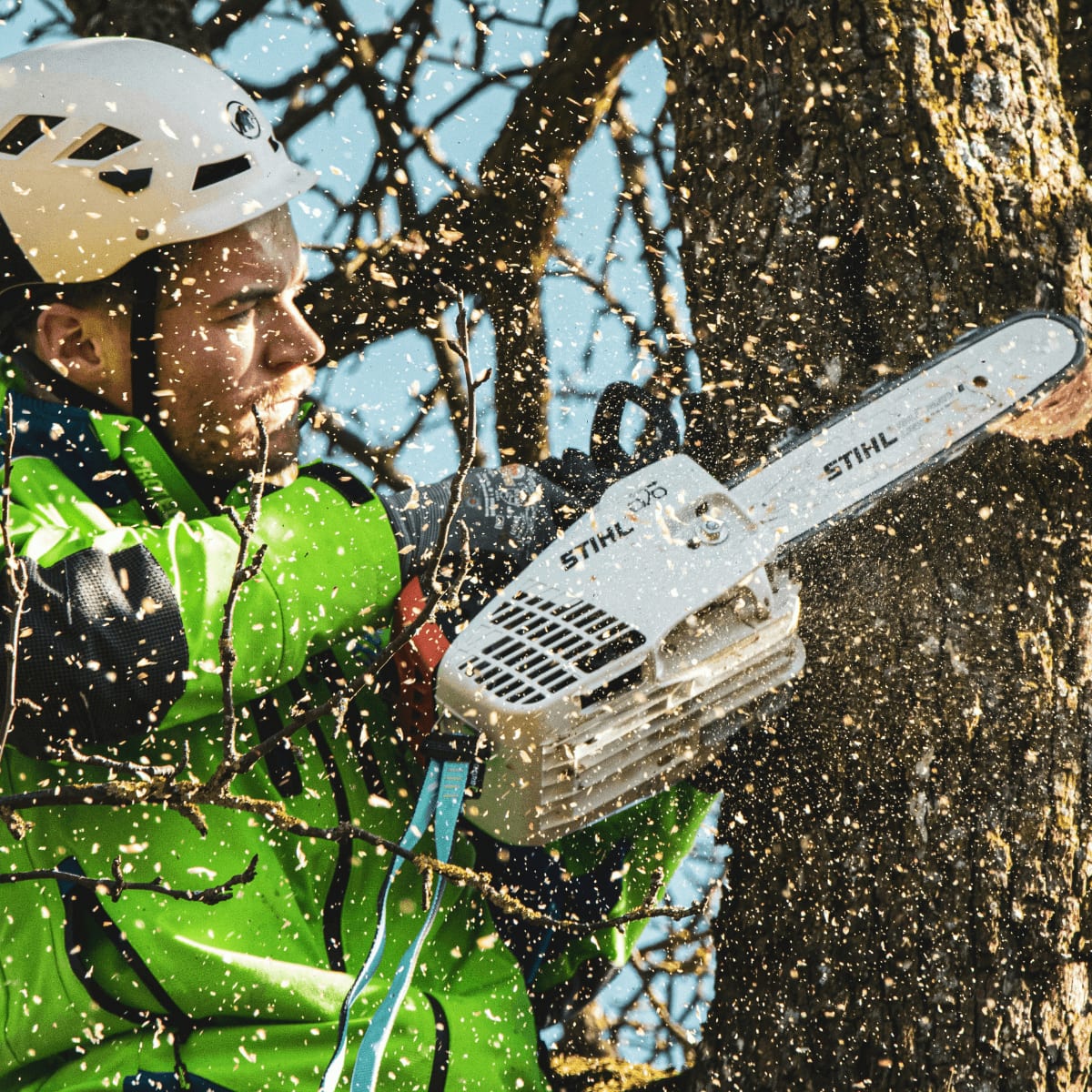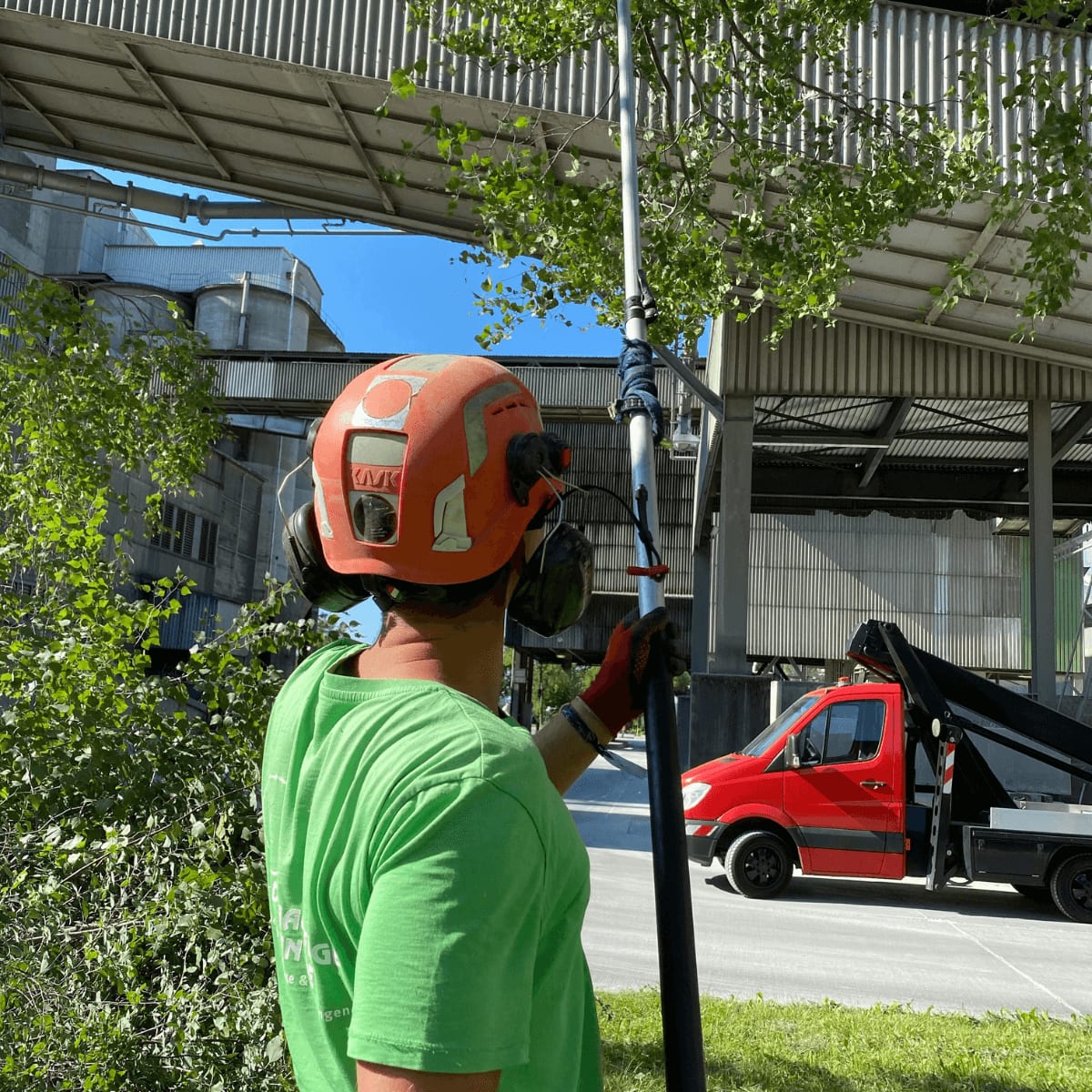
Storm damage often leads to higher service costs because the work is urgent, unpredictable, and usually requires specialized equipment. When trees fall on homes, block driveways, or create hazardous hang-ups, crews must respond immediately — sometimes at night, during bad weather, or with additional safety precautions. This urgency, combined with the complexity of storm-related removals, is what typically increases the overall price compared to standard tree work.
November 26, 2025
When a tree becomes unsafe or starts leaning dangerously close to your home, the first question most homeowners ask is, How much will removal cost? Tree removal costs in Union County, NJ can vary widely based on the tree’s size, condition, and how difficult the job is. A small backyard maple might be straightforward, but a dead oak near power lines or your roof can turn into a complex, time-intensive project. Understanding what drives these costs helps you budget smartly and avoid surprise expenses.
This guide breaks down the main factors that influence tree removal cost in Union County, from permits and accessibility to stump grinding and emergency service rates.
What Determines Tree Removal Cost in Union, NJ
Tree Height and Canopy Spread
Taller trees require more time, specialized climbing equipment, and careful sectioning to remove safely. A compact ornamental tree near your driveway demands far less effort than a towering oak spreading over your house. Height directly impacts crew hours and equipment needs, while wide canopies mean more branches to cut, rig, and lower safely.
Trunk Diameter and Wood Density
Thick trunks take longer to cut through and create heavier sections that need careful handling. Oak and other hardwoods present greater challenges than softer species like pine due to their dense, heavy wood. Each cut requires more saw time, and larger sections need stronger rigging equipment to control descent.
Tree Health and Structural Condition
Healthy trees behave predictably during removal, allowing crews to work efficiently. Dead, diseased, or structurally compromised trees increase danger and unpredictability. Brittle wood, hollow sections, and hidden decay force arborists to work more cautiously, extending project timelines. Pest-infested ash trees and storm-damaged specimens require extra safety measures throughout removal.
Location and Accessibility Factors
Proximity to Structures and Utilities
Trees growing close to homes, garages, pools, or power lines require precision work that takes considerably more time. Every branch and trunk section must be rigged and lowered carefully rather than simply dropped. Close quarters eliminate the option for quick felling techniques, demanding instead painstaking sectional dismantling.
Property Access Challenges
Front yard trees with clear driveway access allow equipment to position optimally. Backyard specimens require crews to hand-carry tools, manually haul debris, and often climb from the ground without bucket truck assistance. Fenced properties with narrow gates prevent large equipment entry entirely, forcing reliance on manual techniques.
Terrain and Ground Conditions
Level ground provides a stable footing and easier equipment operation. Slopes complicate every aspect of tree removal, from climber safety to controlling lowered sections. Soft or saturated soil prevents heavy equipment positioning, while rocky ground damages expensive machinery.
Overhead and Underground Obstacles
Power lines, cable services, and telephone wires create dangerous obstacles requiring utility company coordination and specialized safety protocols. Underground utilities, including gas, water, and electric lines, limit stump grinding options and equipment placement.
Seasonal Timing Considerations
Winter Dormancy Benefits
Late fall through early spring offers optimal removal conditions when trees enter dormancy. Without leaves, crews gain better visibility of branch structure and cutting points. Lighter weight without foliage makes rigging easier and safer. Frozen ground protects lawns from equipment damage.
Summer Growth Season Challenges
Active growing seasons bring full foliage that obscures cutting points and adds significant weight to every section. Heavy leaves catch wind, creating additional forces on rigging systems. Hot weather increases crew fatigue and requires more frequent breaks, extending project timelines.
Storm Season Response
Fall and winter storms create urgent removal needs when trees fall or become hazardous. Emergency response requires immediate crew availability regardless of weather conditions. After major storms, high demand from multiple damaged properties affects scheduling availability.
Tree Species Impact on Removal
Oak and Maple Characteristics
These hardwood giants develop massive trunks and extensive branch systems over decades. Their dense wood resists chainsaw cutting and creates heavy sections requiring robust rigging. Deep root systems produce large stumps needing powerful grinders.
Ash Tree Complications
Emerald ash borer infestations have killed thousands of Union County ash trees, creating brittle, unpredictable wood conditions. Dead ash deteriorates rapidly, becoming increasingly dangerous. Many homeowners now face difficult decisions about removing these compromised trees.
Pine and Softwood Differences
Softer woods cut more quickly but often feature multiple trunks or leaders, creating complex branching patterns. Pine sap creates sticky working conditions and equipment maintenance needs. Lighter wood weight simplifies some aspects, while structural unpredictability complicates others.
Multi-Trunk Tree Complexity
Birch, Bradford pear, and other multi-stemmed species effectively multiply removal work. Each trunk requires individual assessment, cutting, and rigging as if removing separate trees growing from one root system.
Additional Service Requirements
Stump Grinding Decisions
Most clients choose stump grinding to eliminate tripping hazards, prevent pest attraction, and prepare sites for new landscaping. Grinding reduces stumps below grade, allowing immediate grass seeding or planting. Stump diameter and root spread determine grinding time and difficulty.
Complete Stump Extraction
Full removal with root ball extraction creates large holes but eliminates all wood material. This option suits sites planned for construction, hardscaping, or immediate replanting where any remaining roots would interfere.
Debris Processing Options
Homeowners choose between complete debris removal, keeping firewood logs, or having branches chipped for mulch. Each option affects project scope and requirements differently. Some clients want properties completely cleared, while others appreciate free firewood or landscaping mulch.
Limb Trimming for Access
Sometimes, surrounding trees need trimming to create safe removal paths or prevent damage during the main project. This additional work protects neighboring trees while facilitating efficient removal operations.
Union County Permit Requirements
Municipal Regulations
Most Union County townships regulate tree removal through permit systems protecting the community tree canopy. Ordinances typically require permits for trees exceeding specific diameter thresholds measured at chest height. Each municipality maintains unique requirements that homeowners must follow.
Application and Approval Process
Permit applications require property surveys, tree measurements, and removal justifications. Townships review applications, ensuring compliance with local codes before issuing permits. Processing times vary by municipality and application volume.
Emergency Removal Exceptions
Trees posing immediate danger to people or property often qualify for expedited emergency permits. Storm damage, active falling, or structural failure threatening structures trigger emergency protocols. Even emergency removals typically require reporting and documentation.
Replacement Tree Mandates
Some communities require planting replacement trees when removing large or healthy specimens. These requirements aim to maintain overall canopy coverage and environmental benefits. Understanding replacement obligations before removal prevents compliance issues.
Hidden Factors Affecting Projects
Difficult Access Premiums
Gated communities, steep driveways, or properties with limited maneuvering space complicate equipment positioning. Crews sometimes need special arrangements with neighbors for temporary access routes. These logistical challenges extend setup time and operational complexity.
Traffic Control Needs
Trees affecting public streets may require traffic control measures, lane closures, or police presence. Street trees and those with branches extending over roads create public safety considerations beyond private property concerns.
Utility Coordination
Working near power lines requires utility company notification and sometimes their direct involvement. Companies must coordinate timing, ensure safety clearances, and occasionally arrange temporary power interruptions.
Weather Delays
Rain, high winds, ice, or extreme temperatures can halt tree work for safety reasons. Unpredictable weather extends project timelines and affects scheduling. Professional companies prioritize crew safety over arbitrary completion deadlines.
Insurance Coverage
When Policies Apply
Homeowners’ insurance typically covers tree removal only when fallen trees damage insured structures. Policies provide limited reimbursement for removing trees from damaged buildings, vehicles, or fences. Coverage specifics vary widely between insurance companies and policy types.
Preventive Removal Limitations
Insurance rarely covers removing living trees, even when they pose obvious hazards. Leaning trees, diseased specimens, or those with structural defects generally don’t qualify for coverage until actual damage occurs. Homeowners bear responsibility for proactive safety measures.
Documentation Requirements
When insurance covers removal, thorough documentation becomes critical. Photos of damage, written estimates, and detailed invoices support claims processing. Some insurers require pre-approval before authorizing work.
What Makes Union County Different
Dense Suburban Environment
Union County’s developed landscape creates unique removal challenges. Houses sit close together with limited clearance between structures. Abundant overhead utilities and underground services complicate every project. These density factors distinguish Union County work from rural or open suburban settings.
Higher Regional Standards
Local regulations, insurance requirements, and professional standards reflect the area’s property values and liability concerns. Homeowners expect thorough, careful work protecting their significant real estate investments and neighboring properties.
Municipal Oversight
Active township involvement through permits, inspections, and tree commissions ensures responsible removal practices. This oversight protects community interests but requires professional knowledge of local requirements.
Emergency Removal Situations
Storm Damage Cost
Insurance Considerations
Emergency removals covered by insurance still require proper documentation and claims processing. Homeowners should photograph damage, contact insurers quickly, and obtain written estimates before authorizing work when possible.
Maximizing Your Investment Value
Planning Multiple Projects Together
Removing several trees during one mobilization provides efficiency benefits. Companies already on-site with equipment can address multiple issues more effectively than scheduling separate visits.
Off-Season Scheduling
Winter months typically offer better availability and optimal working conditions. Planning non-urgent removals during slower seasons benefits both scheduling flexibility and project efficiency.
Keeping Usable Wood
Homeowners who want firewood or mulch can reduce disposal requirements. This choice benefits both parties while providing valuable materials for property use.
Understanding Long-Term Benefits
Professional removal protects property values, prevents damage from delayed action, and maintains neighborhood aesthetics. Investing appropriately now avoids costlier emergency situations and potential liability issues.
Frequently Asked Questions
What price range should I expect for tree removal?
Tree removal pricing varies significantly based on size, location, and complexity. Small ornamental trees under 30 feet typically represent the lower end of pricing. Medium trees from 30 to 60 feet fall in the mid-range. Large specimens over 60 feet or those requiring cranes represent the upper pricing tier. Request specific written estimates for accurate numbers based on your exact situation.
Does stump grinding cost extra?
Most companies quote tree removal and stump grinding separately, allowing clients to choose the services needed. Stump grinding pricing depends on stump diameter, root spread, and accessibility. Some clients decline grinding to reduce expenses, though this leaves permanent obstacles.
Are permits expensive?
Municipal permit fees typically remain modest, representing small portions of overall project expenses. Processing times matter more than fees for most homeowners. Companies familiar with local requirements often handle permits as part of their service.
Will keeping wood reduce my costs?
Yes, choosing to keep firewood logs or chipped mulch eliminates disposal expenses. This option benefits homeowners who want these materials while reducing the overall project scope.
How much do emergency removals cost?
Emergency tree services command premium pricing due to immediate response requirements and after-hours availability. Urgent situations involving active safety threats justify these premiums. Non-emergency situations should use standard scheduling for better value.
Get Your Personalized Tree Removal Estimate
Every tree removal project presents unique characteristics affecting scope and requirements. At New Jersey Tree Professional, we provide free consultations with detailed written estimates covering all aspects of your specific situation. Our experienced team evaluates your trees, property conditions, and needs to deliver accurate, transparent pricing.
For trusted tree service in Union NJ — Call (908) 866-8894
We serve Union, Elizabeth, Linden, Cranford, Roselle Park, Rahway, and all Union County communities with professional tree removal backed by over 40 years of combined experience.