November 26, 2025
Heavy snow and ice can turn even healthy trees into hazards overnight. Last winter alone, Union County saw three major ice storms that left thousands of residents dealing with broken branches, split trunks, and expensive property damage. The good news? Most winter tree damage is preventable when you know what to look for and take action before the first flakes fall.
This guide walks you through proven protection strategies that local arborists use to keep Union County trees safe through the harshest winter weather.
Why Union County Trees Face High Winter Damage Risks
Our location puts us directly in the path of nor’easters and Alberta clippers that dump heavy, wet snow across the region. Here’s what makes winter particularly dangerous for local trees:
Snow Weight Reality Check:
- Dry, powdery snow: 5-7 pounds per cubic foot
- Average wet snow: 15-20 pounds per cubic foot
- Heavy, saturated snow: 20+ pounds per cubic foot
- Ice coating (½ inch): Adds 500+ pounds to large branches
A mature oak tree can hold several tons of snow during a single storm. When you add ice to that equation, even healthy trees struggle under the load.
The 5 Tree Species Union County Homeowners Need to Watch
Not all trees handle winter the same way. If you have these species on your property, they need extra attention before winter arrives:
1. Bradford Pear Trees (Highest Risk)
Bradford pears were planted throughout Union County neighborhoods in the 1970s and 80s. They’re now reaching the age where their weak branch structure fails catastrophically during ice storms. Many local tree services report Bradford pears as their #1 emergency call during winter weather.
2. Silver Maple Trees
Fast-growing silver maples produce brittle wood with shallow branch attachments. Their wide canopies catch massive amounts of snow, and their wood snaps cleanly under pressure. If your silver maple hasn’t been structurally pruned in 3+ years, it’s overdue.
3. White Pine and Evergreens
Long, horizontal pine branches collect snow like shelves. Arborvitae and yews can’t shed snow the way deciduous trees do; their dense foliage holds everything that lands on them. Multi-stemmed evergreens often split right down the middle under heavy loads.
4. Weeping Willow Trees
Beautiful but vulnerable. Willow wood is among the most brittle of any landscape tree. Their drooping branches catch snow and ice, then snap without warning.
5. Multi-Leader Maples and Oaks
Any tree with co-dominant stems (two or more trunks growing from the same point) has a built-in weak spot. The V-shaped union collects ice and splits apart when stressed. Even strong species like oak and maple fail at these connection points.
Your Pre-Winter Tree Protection Checklist (September-November)
The work you do in the fall determines how well your trees survive winter. Here’s your action plan:
Walk Your Property and Document Problem Areas
Grab your phone and take photos while looking for:
- Dead branches hanging in the canopy
- Cracks or splits at branch connections
- Branches hanging over your roof, driveway, or power lines
- Leaning trees or exposed roots
- Previous damage from last winter
Schedule Professional Inspection
A qualified arborist spots structural problems you’ll miss. They evaluate:
- Branch attachment angles and strength
- Internal decay (often invisible from ground level)
- Root stability and soil conditions
- Whether cabling or bracing can save at-risk trees
Cost reality: Inspection fees are nothing compared to emergency tree removal or roof repairs after branch failure.
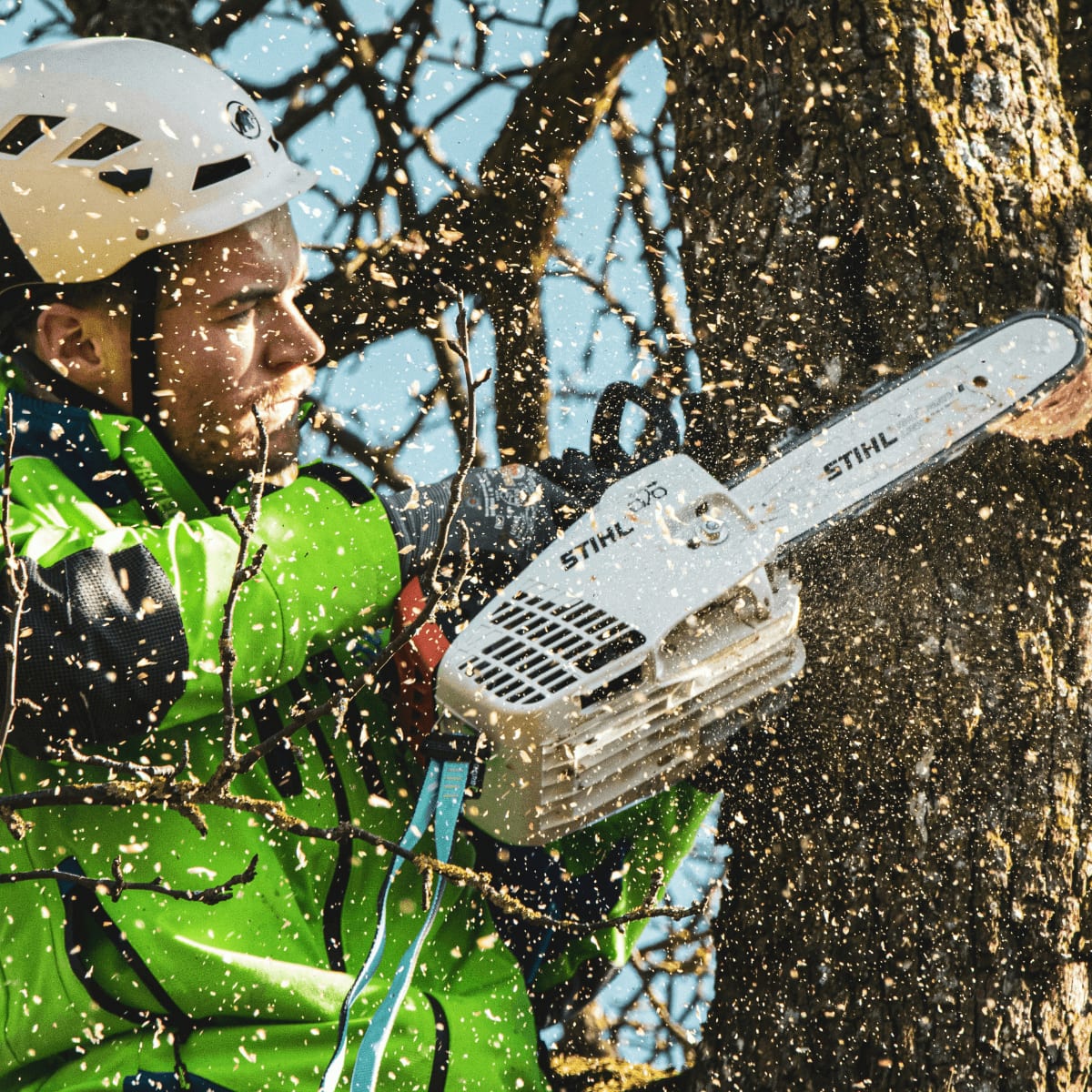
Complete Strategic Pruning
Late October through November is ideal timing. Trees are dormant, and you’re removing failure points before snow arrives. Professional pruning should focus on:
Priority Removal Targets:
- Any branch with visible cracks or weak attachments
- Crossing branches that rub together
- Dead wood throughout the canopy
- Low-hanging branches that could snap onto structures
- Dense interior growth that catches and holds snow
=Water Deeply Before Ground Freezes
Most people forget this step. Trees lose moisture all winter but can’t replace it when the soil freezes. Deep watering in November gives them reserves to draw from.
How to water the right way:
- Focus on trees planted within the last 3 years and all evergreens
- Water at the drip line (where branches extend to), not against the trunk
- Apply slowly for 30-45 minutes so water penetrates 12-18 inches deep
- Water weekly until the ground freezes solid
- Check soil moisture 6 inches down; it should feel slightly damp
Final Step: Apply Fresh Mulch Layer
Spread 3-4 inches of wood chips or shredded bark around the base. Pull mulch 6 inches back from the trunk to prevent rot. Mulch insulates roots, moderates soil temperature swings, and reduces freeze-thaw heaving that destabilizes young trees.
What to Do (and Never Do) During Winter Storms
Safe Snow Removal from Branches
You can help small ornamental trees and evergreens by gently brushing off fresh snow:
Correct technique:
- Use upward sweeping motions with a broom
- Remove snow while it’s still light and fluffy
- Work from the bottom branches upward
- Stop immediately if branches resist
Wrong approach:
- Shaking branches violently
- Using rakes or hard tools
- Attempting removal from ladders
- Touching mature tree branches (leave them alone)
The Ice Storm Rule: Hands Off
Here’s what every Union County homeowner needs to understand about ice: Do not touch it. Do not try to remove it. Do not shake branches.
Ice bonds to bark like concrete. Removal attempts strip bark, break healthy wood, and often injure the person attempting it. Ice-laden branches are spring-loaded; they can whip back violently when disturbed.
Let ice melt naturally. Your patience prevents damage.
When to Call for Emergency Tree Service
Some situations require immediate professional response. Call right away if you see:
Immediate Danger (Call 24/7 Emergency Service): A tree or a large branch resting on your house
- Limbs touching or near power lines
- Tree blocking street or driveway access
- Visible trunk split or tree leaning significantly
- Hanging branches (widow makers) over walkways
Urgent Assessment Needed (Call Within 24 Hours):
- Multiple broken branches throughout the canopy
- Exposed roots or soil heaving around the base
- Large wounds with inner wood visible
- Previous damage that worsened during the storm
Document everything with photos before cleanup begins. Your insurance company needs this evidence.
Protecting Young Trees and Ornamental Evergreens
Newly planted trees and decorative evergreens need extra help surviving their first few winters in Union County.
Trunk Wrapping for Thin-Barked Species
Wrap young maples, birches, and fruit trees from the ground to the lowest branches using:
- Commercial tree wrap (paper-based)
- Burlap strips
- Tree guard tubes for very small specimens
Apply wrapping in November. Remove it in March to prevent moisture buildup and insect problems.
Anti-Desiccant Sprays Work
These waxy coatings reduce moisture loss through evergreen needles during winter. Apply to:
- Boxwoods, hollies, and rhododendrons
- Arborvitae in exposed locations
- Any broadleaf evergreen in full sun
Follow label directions carefully. Temperature must be above 40°F during application, and you’ll need to reapply every 6-8 weeks through winter.
Burlap Wind Screens Save Evergreens
For evergreens planted in open, windy areas (common in Union’s suburban neighborhoods), create three-sided burlap enclosures:
- Drive 4 stakes around the plant in a square
- Staple burlap to stakes on the north, west, and east sides
- Leave the south side and the top open for light and air
- Remove screens in early April
This simple barrier cuts wind speed by 50-60% and deflects drifting snow away from vulnerable plants.
Building Long-Term Winter Hardiness
The strongest defense against winter damage starts years before storms hit.
Choose the Right Trees for Union County
Native species evolved to handle local winters. They’re naturally more resilient than exotic imports:
Winter-Tough Trees for Local Landscapes:
- Red oak and white oak (excellent structure)
- Sugar maple and red maple (avoid silver maple)
- Hickory species (extremely strong wood)
- American beech (smooth bark prone to sunscald when young, but very strong mature trees)
- Eastern red cedar (native evergreen, excellent winter performance)
Avoid Planting Near Structures:
- Bradford pear (any cultivar)
- Willow species
- Silver maple
- Fast-growing poplars
Annual Maintenance Prevents Emergencies
Trees that receive consistent care throughout their lives handle winter stress far better than neglected ones:
- Every year: Professional inspection and structural pruning
- Every 2-3 years: Soil testing and fertilization if needed
- As needed: Pest and disease treatment
- Ongoing: Proper mulching and drought irrigation
Think of it like maintaining your car. Regular oil changes cost less than engine replacement. Regular pruning costs less than emergency tree removal.
Frequently Asked Questions
How can I prevent my trees from breaking under heavy snow?
Schedule structural pruning in the fall to remove weak or crossing branches. Clear light snow early using upward broom strokes, but never shake branches. Proper pruning and early snow removal reduce stress and breakage risk.
Should I try to remove ice from tree branches myself?
No. Ice bonds tightly to bark, and removal attempts often strip wood or cause injury. Let ice melt naturally. If you see major cracking or leaning, call a professional for a safe assessment.
Do evergreens need special protection during winter?
Yes. Evergreens hold snow longer and lose moisture faster. Deep-water them before the ground freezes, apply anti-desiccant sprays, and use burlap wind screens for trees in open or windy areas.
When is the best time to prepare trees for winter in Union County?
Late October through November is ideal. Trees are dormant and easier to prune safely. Inspections, deep watering, and mulching should all be completed before the first hard freeze.
How much does professional winter tree care usually cost?
Tree inspections typically cost between $150 and $300, depending on property size. Preventive pruning runs higher but saves thousands compared to emergency removals or storm damage repairs later.
Protect Your Union County Trees Before the Next Storm
Winter weather is unpredictable, but your preparation doesn’t have to be. Taking action now before temperatures drop and snow flies gives your trees the best chance of coming through winter undamaged.
Call New Jersey Tree Professional at (908) 866-8894 to schedule your pre-winter tree inspection and protection service. We serve Union, Elizabeth, Linden, Cranford, Roselle Park, Rahway, and surrounding communities with expert tree care backed by over 40 years of combined experience.